Social media in 2026 is no longer optional for working models. It's a real channel where bookings originate, brand partnerships start, and casting directors evaluate fit before extending offers. But the right social media strategy varies significantly by what kind of modeling you do. A fitness model and an editorial fashion model both use Instagram, but they use it differently, and the strategy that works for one will underperform for the other.
This article walks through how social media fits the major modeling segments, with realistic guidance on what to post, what to skip, and what each segment's audience actually expects to see. It complements our individual platform articles (Instagram, {{PLATFORM_LINK:tiktok:TikTok}}, {{PLATFORM_LINK:twitter:X}}, {{PLATFORM_LINK:facebook:Facebook}}) which cover platform specific tactics.
Social media by modeling type
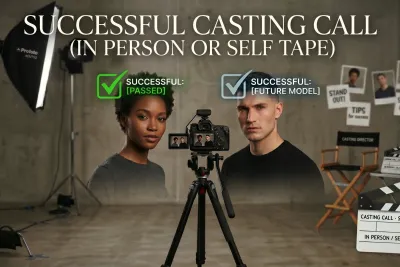
Fashion and editorial. Your social media is a curated extension of your portfolio. Followers expect aspirational, polished, deliberately produced content: shoot stills, behind the scenes from professional sets, runway clips, magazine tear sheets. Avoid casual selfies and lifestyle content that dilutes the editorial brand. Casting directors do check Instagram before booking; an inconsistent feed signals lack of professionalism.
Commercial and advertising. Show range. Commercial casting directors want to see you can play different "types" (the mom, the friendly neighbor, the young professional). A feed that's all one mood (hyper sexy or hyper edgy) reads as limiting. Mix shoot work with relatable lifestyle content. Smile in some shots; serious in others.
Fitness modeling. Fitness audiences expect to see the work: training sessions, progression posts, nutrition snippets, real life routine. Polished photoshoots alone underperform; the audience wants to see authenticity around the work that produced the body. {{PLATFORM_LINK:tiktok:TikTok}} and Instagram Reels are essential for this segment because workout video performs much better than static images.
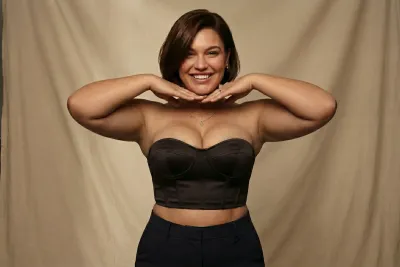
Plus size and body positive. Authentic representation is the brand. Audiences in this segment respond strongly to content that doesn't filter or photoshop modify the body, and brands looking to cast in this segment are specifically searching for models who present authentically. Polished portfolio work alongside everyday content lands better than portfolio only.
Alternative and alt fashion. Heavy aesthetic curation is the point. Audiences expect a strong, distinctive visual identity (gothic, punk, vintage, cyberpunk, whatever the niche is). Content should feel like a specific person with specific tastes, not a generic model account. {{PLATFORM_LINK:pinterest:Pinterest}} also matters here for casting research by stylists looking for distinct looks.
Promotional and brand activation. Show your event work. Live event recap posts, behind the scenes from activations, the experience of the work. Clients booking promotional models check social to verify professionalism and personality. A feed that shows you're engaging, articulate, and actually enjoy event work books more than a polished portfolio without that signal.
Influencer and creator driven. Your social media IS the product. Audience building, content cadence, and engagement are the work. See our dedicated influencer article (number 65 in this library) for the realistic economics.
Two universal rules
Get usage rights before posting client work. Many modeling contracts grant the client exclusive usage of campaign images for a defined period. Posting client work to your own social during that exclusivity window is a contract breach and can damage your relationship with that client and the agencies that booked you. Always check the contract; when in doubt, ask the client before posting. The same applies to behind the scenes content from campaign shoots, which is increasingly being claimed by clients alongside the final assets.
Treat social as professional infrastructure, not a casual hobby. Casting directors, agency bookers, and brand partners DO look at your accounts before extending opportunities. A feed mixing professional work with politically charged content, drunk night posts, or highly opinionated takes on industry colleagues will limit booking opportunities even if individual posts perform well. This isn't about hiding your personality; it's about understanding that your public facing accounts are part of your professional presentation. Many successful models maintain a separate private personal account for the unfiltered version of their life.