{{PLATFORM_LINK:youtube:YouTube}} is the platform working models historically underuse, despite it being the second-largest search engine in the world and the platform where the most durable creator careers compound. The 2026 YouTube ecosystem rewards long-form video content (5 to 30 minute videos) with discovery patterns and creator economics that look nothing like Instagram or TikTok. For models building a long-term personal brand or transitioning into creator territory, YouTube is genuinely different from the visual platforms most modeling careers concentrate on.
This article covers what YouTube is good for in a modeling career, why the platform mechanics reward different content patterns than TikTok or Instagram, and the realistic time investment to build a YouTube presence that pays off in actual career terms.
How YouTube differs from short-video platforms
YouTube is a search engine, not just a feed. Roughly half of YouTube's traffic comes from search rather than the recommendation algorithm. This means a video about "how to pose for editorial fashion" or "what to expect at a first model casting" continues to deliver views and subscribers years after publication. TikTok videos die in 7 to 10 days. YouTube videos compound for years. This is the most important structural difference between the platforms.
Long-form rewards depth. The algorithm strongly favors videos with high watch time, which on YouTube means videos that hold attention for 5 to 20 minutes. This rewards real depth: walking through your portfolio, explaining the process behind a shoot in detail, breaking down what a casting brief actually means. Content that would be impossibly long for TikTok is the natural format for YouTube.
Subscriber relationships are more durable. YouTube subscribers tend to be more invested in creators than Instagram or TikTok followers. The platform's structure (subscribing means "I want to see more of this person specifically") reflects a stronger audience-creator relationship than the algorithm-feed model. This is why YouTube has produced more durable creator careers than any other platform: the audience relationship survives algorithm changes that destroy short-video creators.
Monetization is real but slow. YouTube's Partner Program (which lets you earn ad revenue from videos) requires 1,000 subscribers and 4,000 watch-hours in the past 12 months. Once enabled, ad revenue typically nets $2 to $10 per 1,000 views depending on category. This is meaningful at scale (a video that gets 100K views earns $200 to $1,000) but starts slow. Most creators reach the partner threshold 6 to 18 months after starting consistent posting.
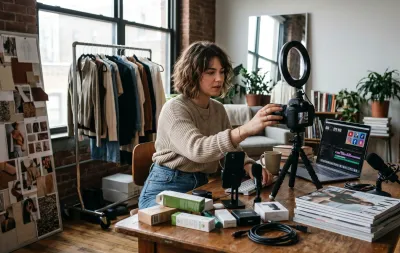
Production cost is higher than other platforms. A 10-minute YouTube video typically requires 4 to 8 hours of total production (filming, editing, thumbnail design). This is meaningfully more than a TikTok or Instagram Reel. The compounding views over time generally make the math work, but the up-front time investment is real.
Content patterns that work for modeling
Educational content compounds best. "How to find your angles for editorial photography," "What an actual modeling agency contract looks like (and what to negotiate)," "What to bring to a fitting." Educational content matches YouTube's search-driven discovery and continues to deliver subscribers years after upload. This is the highest-leverage YouTube content type for working models.
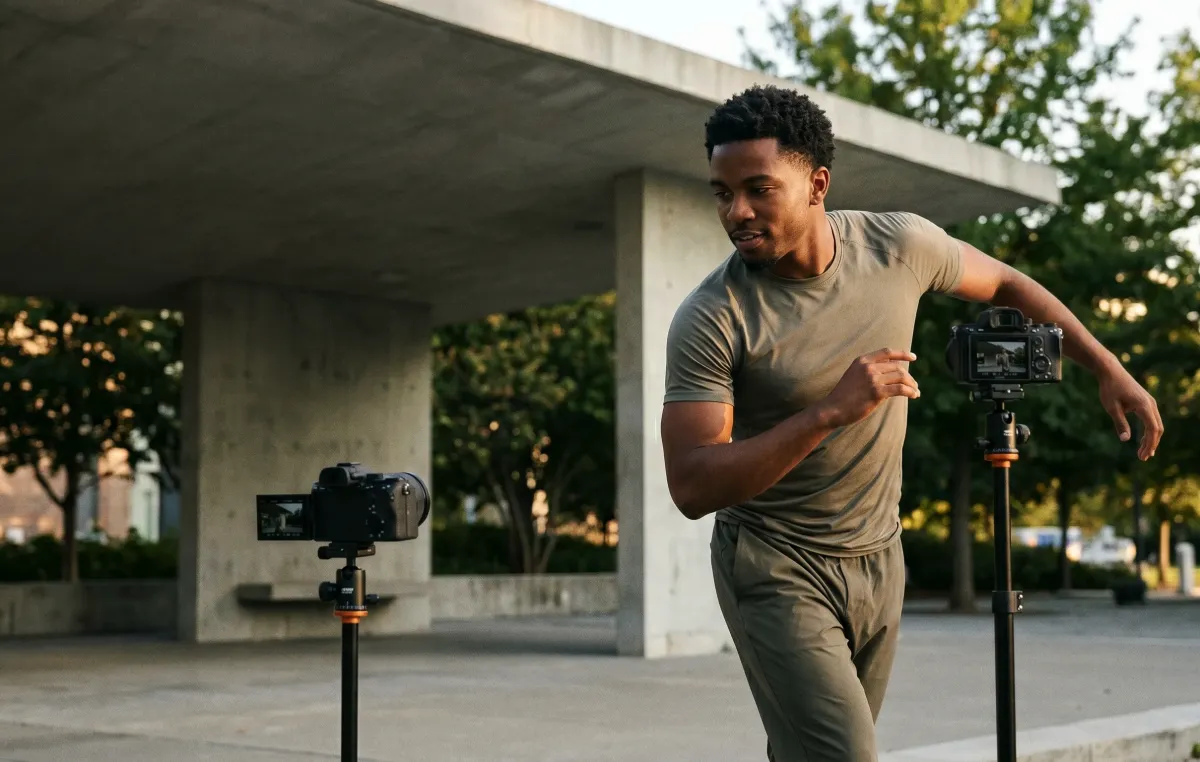
Day-in-the life and shoot-vlog content. Long-form behind-the-scenes content (a 15-minute walkthrough of a full editorial shoot day) is one of the most reliable YouTube formats for models. It satisfies viewer curiosity, shows the work in detail, and builds parasocial connection. The longer format actually helps here: TikTok can show 60 seconds of a shoot day; YouTube can show the whole arc.
Industry commentary and analysis. A model with strong opinions and insight on the industry (rate trends, agency dynamics, casting culture, platform economics) can build a substantial YouTube presence purely on commentary. This is harder to do well (it requires actual industry insight to sustain) but the audience for it is strong and the channel becomes a real career asset.
What underperforms. Pure aesthetic content (beauty shots set to music, lookbook-style edits) underperforms on YouTube relative to other platforms. The audience expects substance, and the format favors longer videos that pure aesthetic content can't sustain. Save the aesthetic content for Instagram and TikTok.
Realistic timeline. A consistent YouTube posting schedule (1 video per week, 5 to 15 minutes each) typically produces meaningful subscriber growth at the 6 to 9 month mark and meaningful ad revenue at 12 to 18 months. This is much slower than TikTok growth but the resulting audience is more durable. Models who treat YouTube as an investment with a 12-month payback horizon get to a real channel. Models who expect TikTok style fast growth quit before the channel compounds.
YouTube is the most underused platform in working modeling careers right now. The reason is simple: the production cost is real, the early growth is slow, and the content patterns that work require depth that takes effort. Models who put in the work over 12 to 18 months end up with a career asset that compounds for years. Models who don't, end up with a missing piece in their long-term creator strategy.