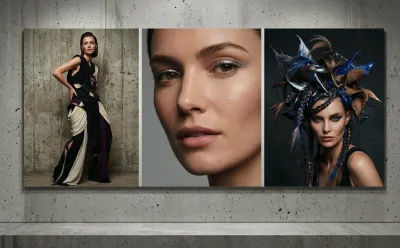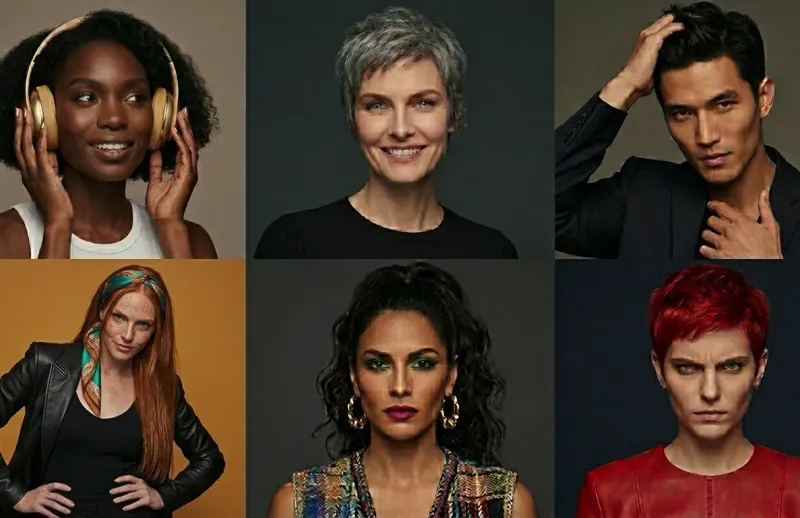
The "what type of model am I" question gets asked by virtually every new model and rarely gets a useful answer. Most articles either describe model types abstractly (which does not help you decide which fits you) or default to "find your unique self" advice (which does not help either). This article is a structured self assessment: a series of questions about your physical attributes, personality, and career goals that map to specific segments in the industry, with realistic notes on what each segment actually requires.
Self assessment by category
Height matters for some segments more than others. Runway editorial fashion realistically requires 5 feet 9 inches and up for women, 6 feet and up for men. Catalog and commercial fashion has more flexibility: 5 feet 7 inches and up usually works. Promotional, brand activation, fitness, and creator work have essentially no height requirements. Petite (under 5 feet 5 inches) is its own segment with growing market presence. Plus size has its own boards across major agencies. If your height does not match the editorial requirement, that does not eliminate you from modeling; it directs you toward the segments where height does not gate the work.
Body type. The fashion editorial standard remains narrow (typically size 0 to 4 for women, slim build for men) though plus size and curve segments have established real client bases and rate parity in commercial work. Athletic and fit body types map to fitness modeling, sports brand work, and lifestyle commercial. Average commercial body types (size 4 to 12 for women, average athletic for men) book consistently in commercial advertising, lifestyle work, brand activation, and a substantial share of catalog work. The "model body" stereotype is real for one specific segment and inaccurate for most others.
Look and aesthetic. Striking distinctive features (notable bone structure, unusual hair, distinctive ethnic features, alternative aesthetic) suit editorial fashion and alt fashion segments. Approachable conventional attractiveness suits commercial and catalog work. Specific demographic looks (mature, ethnic specific, alternative subculture) book consistently within their segments. Knowing where your specific look fits matters more than trying to fit a generic "modeling look."
Personality and verbal skills. Promotional, brand activation, and trade show work require strong interpersonal skills, comfort with extended verbal interaction, and stamina for high energy interaction. Catalog and editorial work requires precise pose execution and direction taking but minimal verbal interaction with the camera. Creator and social media work requires comfort speaking to camera, writing captions, and managing audience engagement. Match the work to your natural style.
Schedule and life situation. Editorial fashion concentrated in major markets requires geographic flexibility (often relocation) and unpredictable schedule. Promotional and event work has more local options and more predictable per event scheduling. Creator and social media work runs from home with flexible hours but sustained daily output. Knowing what schedule fits your life situation matters because the wrong fit produces burnout regardless of how well the work otherwise suits you.
How to read the assessment
Most working models do not fit one segment cleanly; they fit two or three with different priority levels. A common working pattern: a model with editorial potential might book commercial as the steady income source and pursue editorial selectively for portfolio and prestige. A model with strong commercial fit might add brand activation work for steady event income. A model in a niche aesthetic might combine alt fashion bookings with creator partnerships in their subculture.
The right approach is usually: identify the 2 to 3 segments where your physical attributes, personality, and life situation map cleanly, then build presence in those segments rather than trying to be everything to everyone. Segment focus produces more bookings than generic positioning, because casting directors and clients can clearly understand what you offer.
The worst approach: chase whichever segment has the most cultural prestige (usually editorial fashion) regardless of fit. Working pros across the industry consistently report better outcomes from honest segment fit than from chasing the prestige slot. Editorial fashion has a small number of slots and intense competition; the segments with more bookings (commercial, promotional, creator) reward models who commit to them rather than treating them as backup plans.