Situational modeling is the industry umbrella term for the modeling work that happens at specific situations: events, conferences, trade shows, brand activations, parties, hospitality venues. The category covers a substantial portion of working models day to day income but does not have the public profile of fashion or editorial work. This article maps the sub segments inside situational modeling, what each one books for, and how they differ from each other so you can identify which sub segments fit your assets and goals.
The sub segments inside situational modeling
Promotional modeling. The largest sub segment by booking volume. Promotional models work brand activations, trade shows, conventions, product launches, sampling programs, and mobile tour activations. The work is interactive: engaging with attendees, demonstrating products, distributing samples, hosting branded experiences. Booking pay typically 200 to 800 dollars per shift for working pros, with longer multi day activations paying more. Covered in detail in our dedicated promotional modeling article (56 in this library).
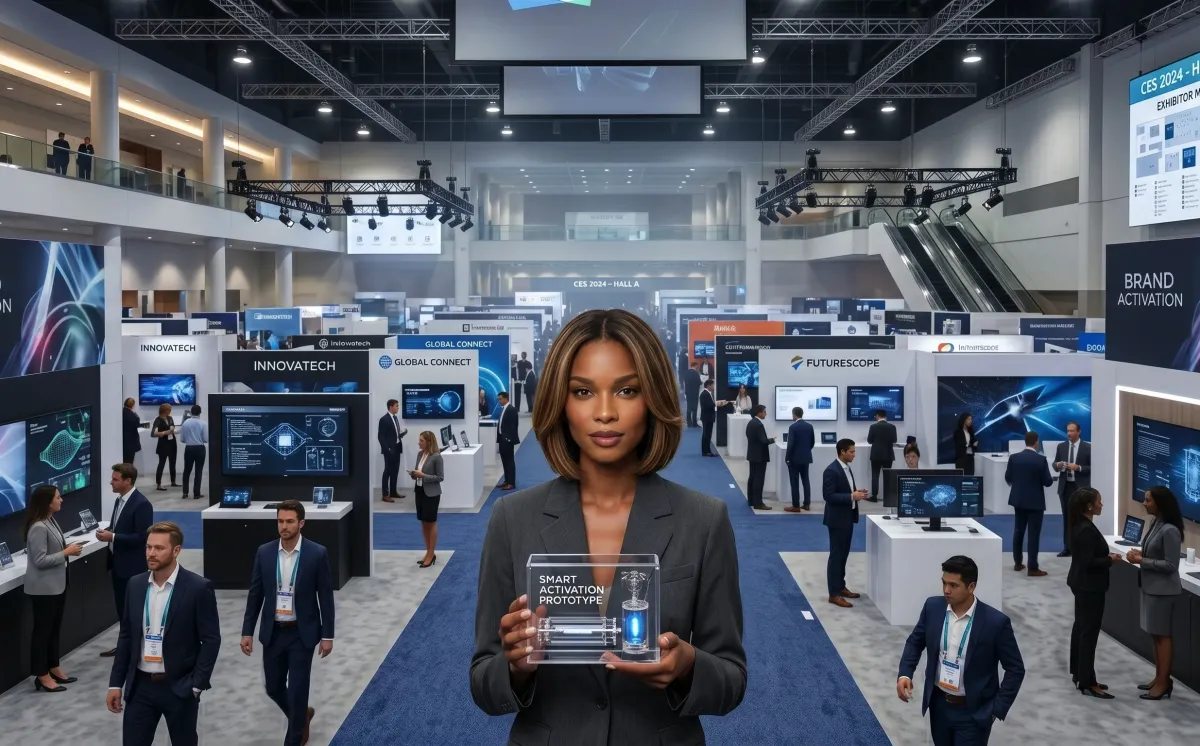
Trade show modeling. A specific subset of promotional modeling focused on industry trade shows and conferences. The work is product knowledge intensive: trade show models often need to learn enough about the booth's products to answer attendee questions, demo product features, or qualify leads for the sales team. Pay is typically higher than general promotional work because of the product knowledge requirement. Booking pay 250 to 1,000 dollars per day for working pros, with multi day shows paying full schedule.
Atmosphere modeling. Models hired to create the ambience of upscale venues: nightclubs, lounges, hotel events, brand parties, restaurant openings. The work is presence based: looking polished, engaging in conversation, contributing to the venue's intended atmosphere. Less interactive than promotional modeling but demands stamina across long evening shifts. Covered in detail in our dedicated atmosphere modeling article (63 in this library).
Spokes modeling. Models who serve as the on camera face for a brand's marketing across multiple campaigns. The work blends commercial shooting, video presentation, and sometimes live event hosting. Spokes model relationships are typically multi campaign or annual rather than one off, with corresponding higher pay and ongoing brand relationship dynamics.
Brand ambassador work. Models with ongoing relationships with brands, including event presence, social media advocacy, and multi campaign creative work. Distinct from one off promotional work because it carries the brand association across multiple touchpoints. Covered in detail in our dedicated brand ambassador articles (60 and 57 in this library).
Festival modeling. A specific subset combining promotional, atmosphere, and brand ambassador elements for music festival environments. The work has unique demands (multi day outdoor conditions, festival audience engagement, brand activation in non traditional venues). Covered in detail in our dedicated festival modeling article (41 in this library).
How to evaluate which sub segment fits
Most situational modeling work sits in promotional, trade show, and atmosphere segments. The honest assessment for choosing sub segments to pursue:
If you enjoy interactive work and consistent booking volume: promotional modeling and trade show modeling are the highest leverage starting points. The work is steady, the booking flow is reliable for working pros, and the skills (engagement, presentation, product knowledge) compound across bookings.
If you prefer evening shifts and venue based work: atmosphere modeling fits. Lower interactive demand, higher presence demand. Steady weekend and evening booking volume in major markets.
If you want longer term brand relationships: spokes modeling and brand ambassador work require building reputation in promotional or commercial work first, then converting client relationships into multi campaign arrangements. The path is longer but the income compound is substantially better than rotating through one off bookings.
Situational modeling is unglamorous compared to fashion editorial but represents the realistic working middle of the modeling industry. Models who treat it as legitimate professional work rather than a stepping stone to fashion build sustainable careers; models who treat it as something to escape from often miss that situational modeling is what most working pros actually do most of the time.