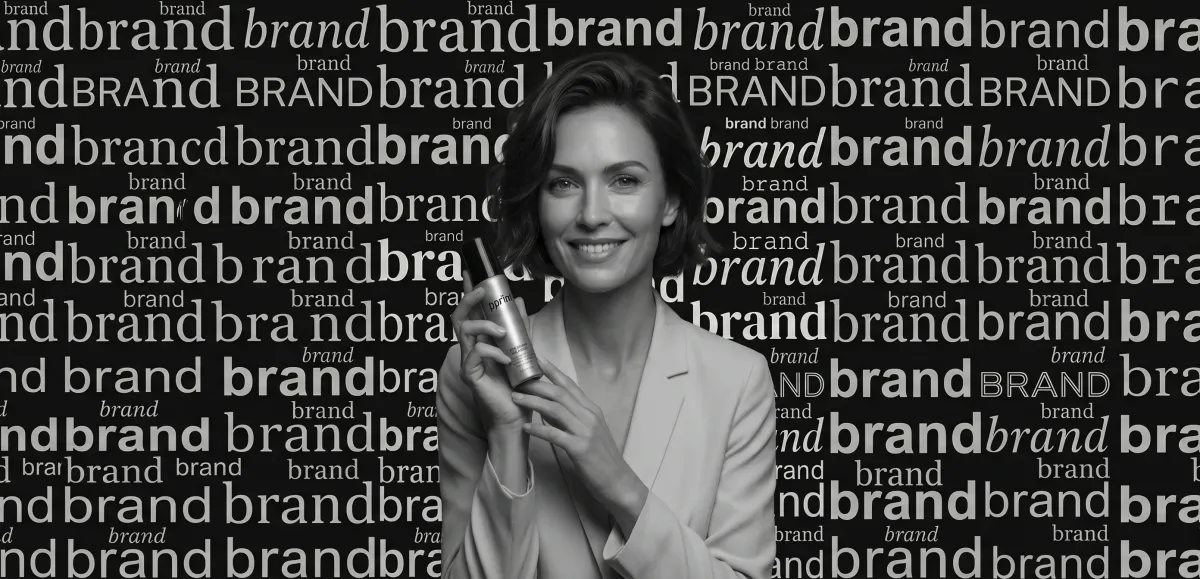
Brand activation is the industry term for in person marketing experiences that brands deploy to create direct connection with consumers. The category covers everything from a simple sampling tent at a music festival to multi week experiential installations that brands invest seven figure budgets in. Brand activation has grown substantially as a marketing channel since 2018: companies have shifted budget away from broadcast advertising (where consumer attention has decreased) toward experiential channels (where engagement remains strong). For working models, this means the brand activation segment is one of the largest sources of professional bookings in the United States.
This article covers brand activation as an industry category: what it actually is, what types of activations brands run, why brands spend on this channel, and where the industry is heading.
The major types of brand activations
Festival and event activations. Brand presence at music festivals, sporting events, conventions, and major public events. Activations range from simple sampling and signage to fully built brand environments (custom tents, immersive installations, branded experiences). The festival activation budget for a major beverage or alcohol brand at a single major festival can run 500,000 to 2,000,000 dollars across talent, build, sponsorship fee, and execution.
Pop up activations. Temporary branded retail or experience spaces deployed in commercial districts or high traffic urban locations. Range from 1 day pop ups to 2 to 4 week activations. Common for product launches, brand anniversary moments, and limited edition releases. The pop up format produces social content, press coverage, and direct consumer interaction in a concentrated time window.
Mobile tour activations. Brand activations that travel to multiple cities over weeks or months. Common in alcohol, automotive, and tech brand activations. The format produces the breadth of multi city reach with the depth of in person experience at each stop. Mobile tours often include both branded vehicle deployment and city specific event activations.
Retail integrated activations. Brand activations inside retail environments: in store demonstration programs, branded retail takeovers, integrated sampling campaigns, retail location specific events. Common for consumer packaged goods brands deploying through retail partner networks.
Experiential installations. Larger scale immersive experiences that draw consumers specifically for the experience itself. Range from interactive art installations sponsored by brands to fully built branded experiences in high traffic locations. The format produces substantial social content and press coverage; investment per installation typically runs into seven figures.
Conference and trade show activations. Industry conferences and trade shows where brands deploy presence to engage industry buyers, partners, and competitors. Distinct from consumer activations because the audience is industry rather than general public. Talent demands are different (higher product knowledge, B2B conversation skills) and pay reflects the difference.
Sports and entertainment activations. Brand presence at sporting events, entertainment venues, awards shows, and major cultural moments. Range from sideline visibility (logos on signage, broadcast presence) to fan engagement activations (fan zones, branded experiences at venues, athlete or talent meet and greets).
Why brands invest and where the industry is heading
Why brand activation budgets keep growing. Three drivers since 2020: First, broadcast advertising effectiveness has continued to decline as consumer attention fragments across more channels. Second, the social distribution amplification (activations produce social content that reaches audiences far beyond the in person attendees) makes activation budgets work as both experiential AND content investments. Third, experiential creates consumer relationships that produce lasting loyalty in ways that broadcast cannot.
The post 2020 shift toward content first activations. Activations are increasingly designed primarily for content output rather than primarily for in person experience. The activation that 5,000 people attend produces social content reaching 2,000,000 viewers; brands evaluate ROI on the combined reach. This means activations are now designed with photo and video production built in: lighting that works for content, photogenic backdrops, dedicated content production staff, creator partnerships built into the deployment.
Direct to consumer brand activation growth. Direct to consumer brands (brands that sell primarily through their own channels rather than retail) have invested heavily in activation to compensate for not having retail visibility. The category has produced substantial activation budget growth and corresponding talent booking volume.
Sustainability and ethics considerations. Brand activations are increasingly evaluated on environmental impact (waste from temporary builds, transportation footprint, energy consumption) and ethical considerations (talent treatment, fair compensation, representation). Brands and agencies that lead on these dimensions are differentiating from competitors that have not adapted.
What this means for working models. Brand activation is one of the largest segments of working model employment in the United States and the segment is growing rather than shrinking. Models who position professionally in this segment (understanding brand context, content production capability alongside in person presence, multi city travel availability) build sustainable careers as brand activation talent. The segment is unglamorous compared to fashion editorial but represents real professional work with real career trajectory for working pros who treat it seriously.
Brand activation is the working middle of the modeling industry: less prestigious than fashion editorial, more financially stable for working pros, growing rather than contracting as a category. Working models who understand the industry context (why brands spend on this channel, what they actually want from the bookings, how the segment is evolving) build stronger careers than working models who treat activation bookings as transactional gigs without the broader industry frame.