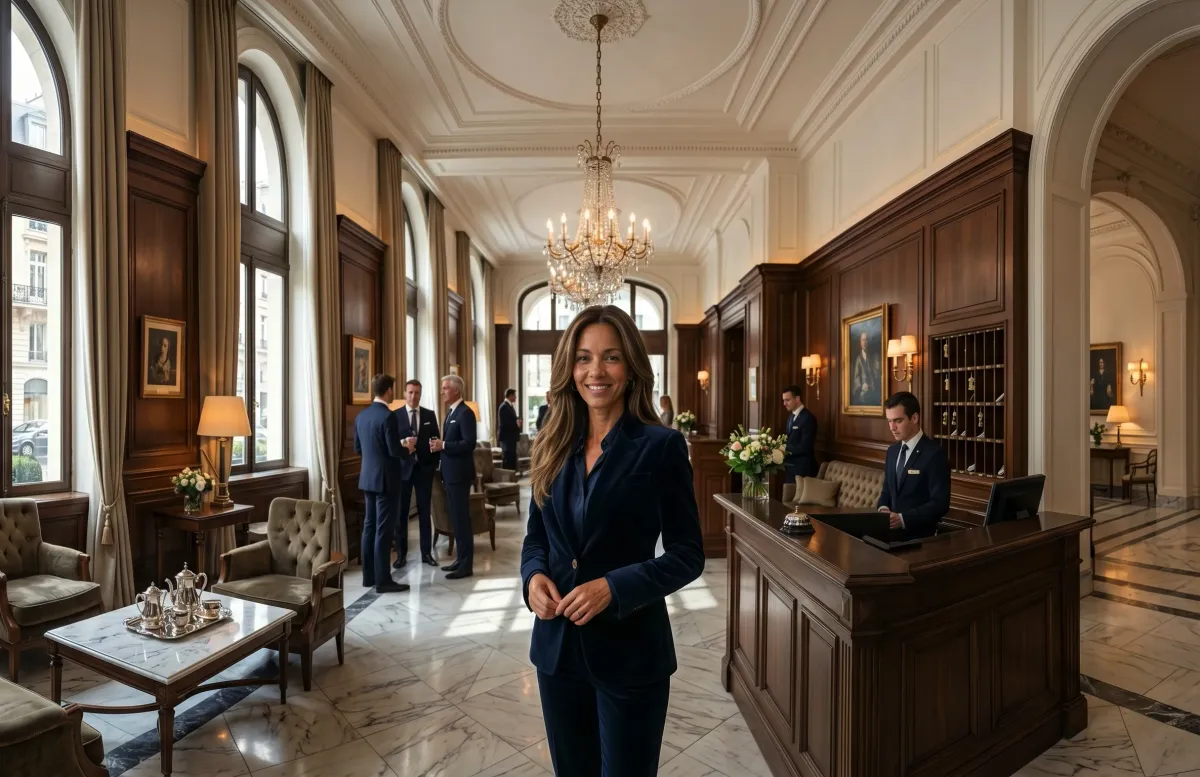
Atmosphere modeling is a specific niche within situational modeling: models hired by upscale venues and hospitality clients to contribute to the polished feel of premium spaces. The segment covers nightclubs, lounges, hotel events, restaurant openings, brand activated parties, and other hospitality contexts where the venue's atmosphere is part of what attendees pay for. The work is genuinely different from promotional or brand activation modeling, with its own demands, economics, and career paths.
This article covers what atmosphere modeling actually involves, the realistic earnings picture, and how working pros approach the segment professionally.
What atmosphere modeling actually involves
Presence based work. The core deliverable is being present in the venue, dressed and presenting in a way that contributes to the desired atmosphere, engaging in light conversation with patrons. Distinct from promotional modeling (which involves active product engagement) and from brand ambassador work (which involves brand specific advocacy). The model is part of the venue's atmosphere, not a representative of a specific product or brand.
Hospitality and conversational engagement. Working atmosphere models maintain easy conversation with venue patrons across long shifts. The conversations are typically light social engagement (where are you from, are you having a good night, what brings you out tonight) rather than substantive interaction. Sustained social energy across 6 to 10 hour shifts is part of the work; models who burn out on social engagement after 2 hours do not sustain in this segment.
Looking polished across long shifts. Atmosphere model wardrobe and grooming standards are typically high: cocktail dresses or upscale casual depending on the venue, professional makeup, polished hair. Maintaining presentation quality across the full shift (without smudged makeup, wilted hair, or visible fatigue) is part of the deliverable. Working pros prep for shift length and refresh appearance during breaks.
Drinking is the operational complexity. Atmosphere venues serve alcohol; many include drink allowance for atmosphere models (typically 1 to 2 drinks during the shift for sociability). Working pros pace alcohol consumption carefully; visibly intoxicated atmosphere models damage the venue's atmosphere and end the booking relationship. The discipline of social drinking on the clock is a real working pro skill.
Late night schedule. Most atmosphere work runs evening and late night shifts (typically 8pm to 2am, sometimes later). The schedule suits some lifestyles and exhausts others. Models who do atmosphere work full time often do not also book daytime shoot work because the schedule misalignment makes both segments suffer.
Venue specific expectations. Different venues have different atmosphere standards: a high end lounge expects sophisticated low key engagement; a nightclub expects higher energy and crowd interaction; a hotel event expects formal polished presence. Working pros learn the specific expectations of each venue they work and calibrate accordingly.
Realistic earnings and the segment career
Per shift pay. Working atmosphere models earn 200 to 500 dollars per shift in major U.S. markets, with premium venues paying higher rates and special events (private parties, brand activations at upscale venues) pushing toward 500 to 1,000 dollars per night. Multi day events (industry parties, conference activation series) pay daily rates with potential for full week bookings during major event weeks.
Booking volume. Active atmosphere models in major markets work 2 to 5 nights weekly. The booking volume varies seasonally: peak demand is fall and winter (event season, holiday programming) with lighter booking in summer. Annual income for working pros in this segment ranges 25,000 to 70,000 dollars depending on market and booking frequency.
The career math. Atmosphere modeling can be a complete part time career (supplementing other income with 2 to 3 nights weekly), a focused full time career (booking 4 to 5 nights weekly across multiple venues and special events), or a stepping stone segment (early career models break in here and pivot to other segments). Each path is real; choosing depends on lifestyle preferences and other career goals.
Geographic concentration. Atmosphere modeling is concentrated in major markets with active nightlife and event economies: NYC, LA, Miami, Vegas, Chicago, Atlanta. Tier 2 cities have smaller atmosphere markets but real venue networks for working pros willing to build them.
What the segment looks for in models. Beyond aesthetic standards (polished presentation in the venue's specific style), atmosphere models need conversational confidence, sustained social energy, professional behavior with intoxicated patrons (the drunk person making advances is a regular feature of the work), and the discipline to maintain presentation quality across long late night shifts. Models who enjoy social environments and can sustain across long shifts find this segment satisfying; models who find sustained social engagement draining will burn out regardless of aesthetic fit.
Atmosphere modeling has unfortunate associations in some public perceptions (often confused with adjacent segments that have different professional standards). The actual working pro version of atmosphere modeling is legitimate hospitality work in upscale venues, with professional norms and real career trajectories for models who suit the segment. Working pros in this segment treat it as the professional work it is rather than as a stepping stone or supplemental income.