Fashion modeling is a specific craft within the broader modeling industry. The skills, professional behaviors, and infrastructure that produce successful fashion careers are different in specific ways from what commercial modeling requires. This article covers 7 specific things that working fashion models do differently from commercial models, with concrete description of what each one looks like in practice. If you are pursuing fashion specifically, these are the patterns worth investing in deliberately; if you are pursuing commercial, you can deprioritize these in favor of commercial specific skills.
The 7 fashion specific patterns
1. Maintain a deeper relationship with a smaller agency board. Fashion casting flows through agency boards with deep relationships to specific casting directors and brand creative teams. A fashion model's career depends substantially on their agency's relationships and how the agency positions the model within their board. Working fashion models invest heavily in the agency relationship: regular check ins with bookers, deliberate portfolio development conversations, alignment on which castings to pursue. Commercial models often work multiple channels (agency plus marketplace plus direct) with looser agency relationships.
2. Develop a specific aesthetic identity rather than commercial range. Fashion casting wants distinctive aesthetic identity: a model who reads as a specific artistic vision rather than as a range of commercial moods. Fashion models develop their look deliberately (specific portfolio aesthetic, social media curation, in person presentation) to be recognizably themselves. Commercial models develop range (different moods, different commercial types) which is the opposite craft.
3. Build relationships with specific photographers across years. Fashion editorial work flows through relationships between photographers and the models they consistently shoot with. Working fashion models develop relationships with 5 to 15 photographers whose work they appear in repeatedly. The relationship investment compounds: photographers cast models they know shoot well with them, refer those models to other photographers, and produce the editorial that builds the model's reputation. Commercial models work across many more photographers without the same depth in any single relationship.
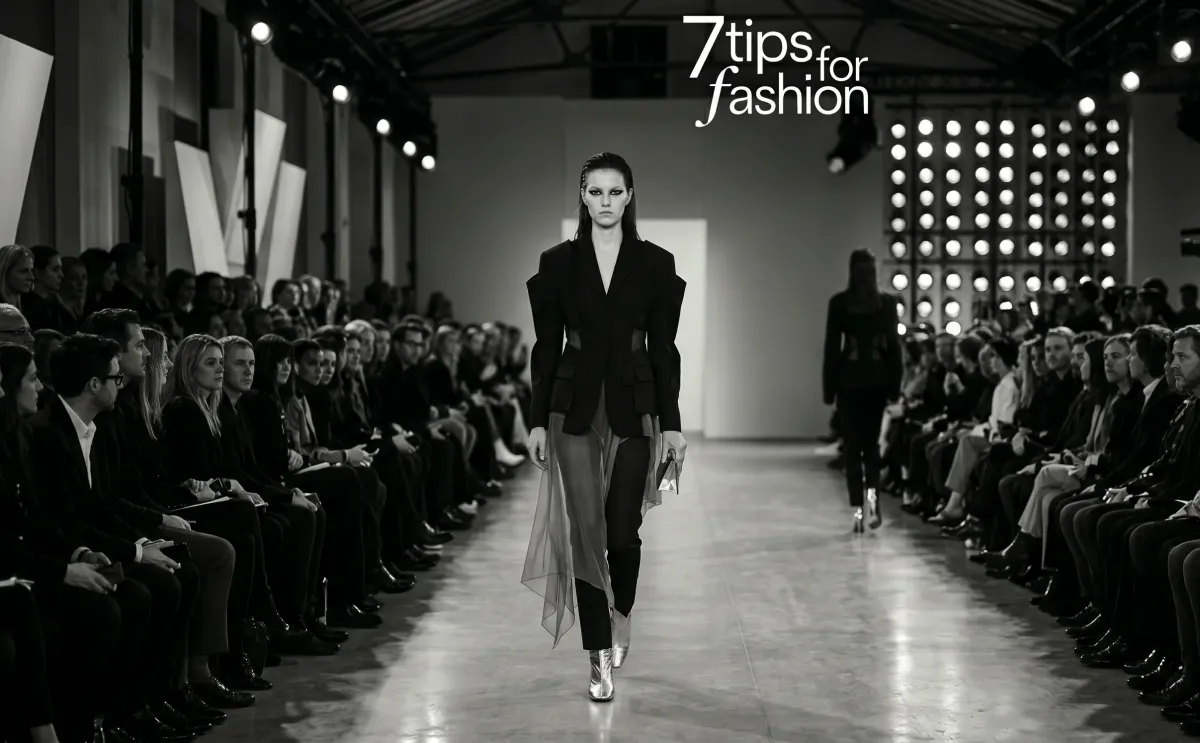
4. Attend fashion weeks even when not booked. Fashion week attendance for working fashion models is part of professional infrastructure even when not booked for shows. The networking, visibility, and industry presence that fashion week creates compounds across the season. Working models attend events, support photographer and brand presentations, build relationships with stylists and creative directors, and absorb the industry context that informs their work. Commercial models do not have an equivalent professional event circuit.
5. Invest in test work with emerging photographers. Fashion portfolio development depends substantially on test work: collaborative shoots with emerging photographers that produce portfolio material for both sides. Working fashion models maintain a regular test work cadence (monthly to quarterly) throughout their careers, partnering with photographers whose work they want associated with their portfolio. Commercial models also do test work but at lower frequency and with different selection criteria (portfolio gap filling rather than aesthetic identity development).
6. Follow industry publications and creative direction trends. Working fashion models read the trade publications (Vogue Business, BoF, WWD, fashion industry newsletters), follow creative directors and stylists across platforms, and stay current on industry creative direction shifts. The industry literacy informs casting submissions, relationship conversations, and portfolio development. Commercial models can build careers without this industry awareness; fashion models who lack it are operating without context that working pros consistently use.
7. Plan international career strategy deliberately. Fashion careers often involve sequenced markets: starting in NYC or Paris, expanding to London or Milan, building toward Tokyo for specific market work, returning to home market for established status. Working fashion models think strategically about international market sequencing rather than booking randomly across geographies. The market sequencing builds specific reputations in specific markets that compound over years. Commercial models work primarily in their home market with occasional travel; international strategy is not a major career planning element.
How to invest in these patterns deliberately
If you are pursuing fashion modeling and want to invest in these patterns intentionally:
Choose your agency carefully and invest in the relationship. Agency quality and your specific position within their board matters more than agency name recognition. Research which agencies have strong relationships with the casting directors and brands you want to work with. Once signed, treat the booker relationship as a primary professional relationship: regular communication, deliberate portfolio conversations, alignment on which work to pursue.
Develop your aesthetic identity through deliberate portfolio choices. Avoid the urge to demonstrate range across many different commercial moods. Concentrate portfolio development around 2 to 3 distinctive aesthetic registers that read as specifically you. Build the identity rather than dilute it.
Make photographer relationships a deliberate priority. Identify 5 to 15 photographers whose work matches your aesthetic direction and whose careers you want associated with yours. Work toward consistent collaboration with this set rather than spreading thin across many one off shoots.
Attend industry events with intent. Even before you are booking fashion work, attending fashion week presentations, gallery openings, photographer studio events, and industry gatherings builds the relationships that become casting opportunities. The networking compound takes years; starting early matters.
Maintain a regular test work practice. Schedule monthly or quarterly test shoots with photographers in your aesthetic direction. The cadence matters; intermittent test work does not compound the same way as sustained practice.
Develop industry literacy as professional infrastructure. Subscribe to industry publications, follow the people producing the work you want to be part of, build the context that makes you a more substantive collaborator on shoots and casting conversations.
Plan international markets deliberately. Discuss with your agency which markets to enter when, what specific market reputation you want to build in each, how the sequence supports the long term career arc. The strategic thinking separates models with specific career paths from models who book whatever comes through.
These 7 patterns are what working fashion models do that commercial models typically do not. Investing in them deliberately produces stronger fashion careers; treating them as optional often produces fashion modeling career stagnation regardless of physical attributes or initial success. The fashion path rewards specific professional infrastructure that takes years to build; the investment is worth making early in the career when you have the runway to compound.